
AGV case studies organised around real warehouse, manufacturing and control-layer workflows.
Instead of only listing products, these case pages explain how buyers usually frame automation projects: scenario, challenge, system collaboration, implementation value, operational handoff and recommended equipment.
Choose by operating context first
Warehouse visitors usually care about storage density, aisle width, retrieval accuracy and replenishment rhythm. Manufacturing visitors usually care about line-side delivery, work-in-progress transfer, internal route stability and system visibility. Some projects also depend on elevator dispatch, scan points, batch control and cross-system task logic.
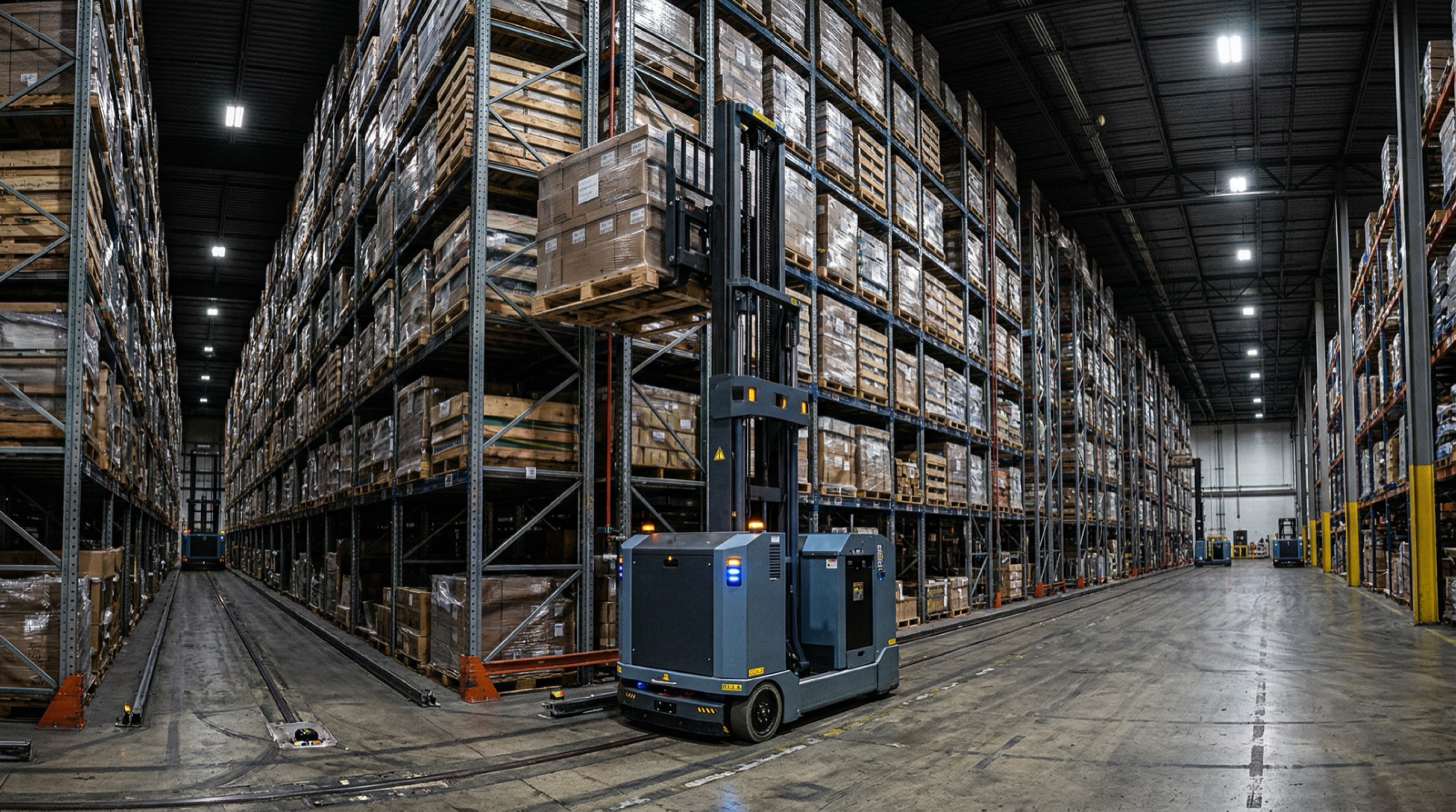
High-bay storage and narrow aisle automation
A case format for high-bay storage, narrow aisle retrieval, replenishment pressure and the shift from manual forklifts to more stable AGV workflows.
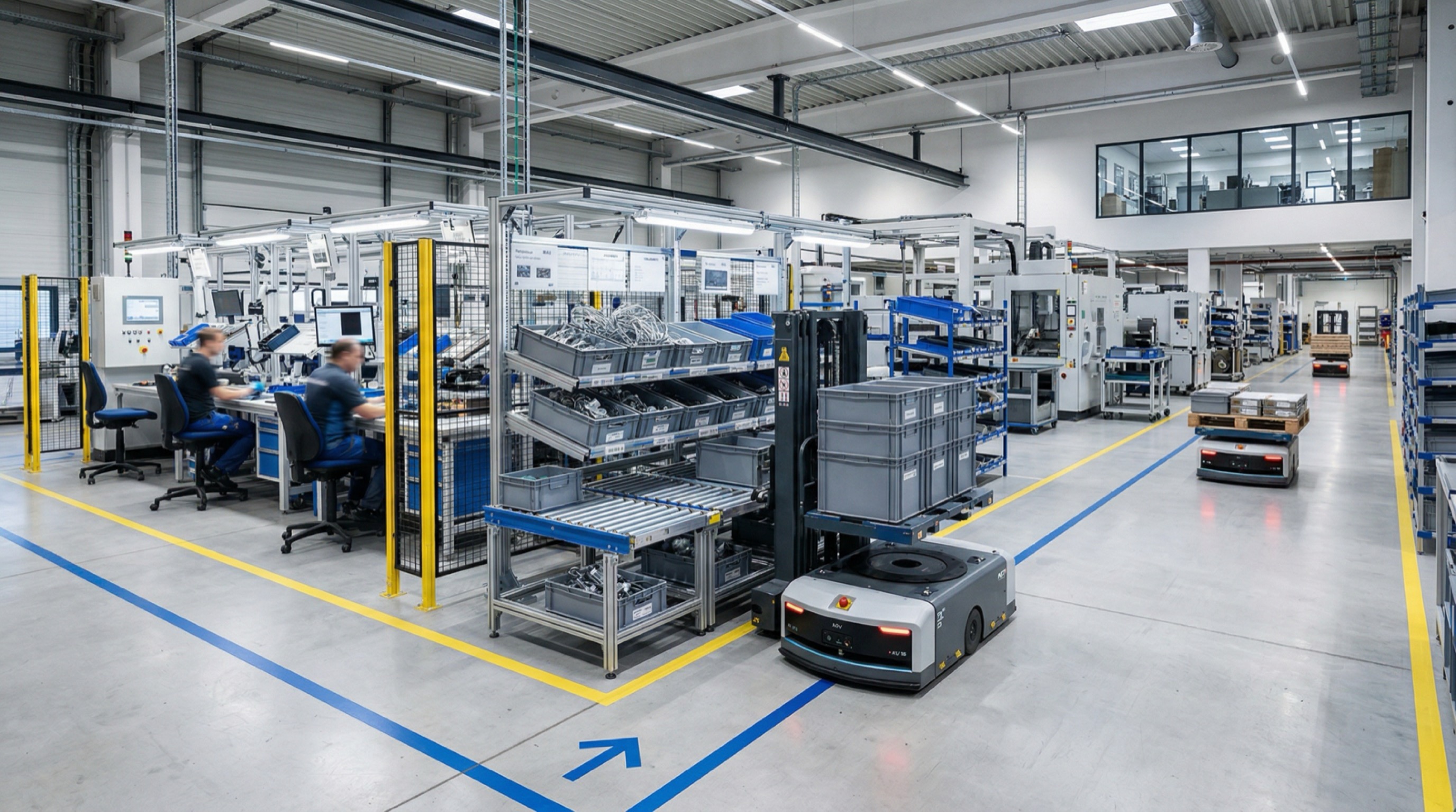
Line-side delivery and internal factory logistics
A case format for pallet circulation, buffer zone handoff, line-side supply, CTU/bin movement and WMS/WCS-linked internal logistics execution.
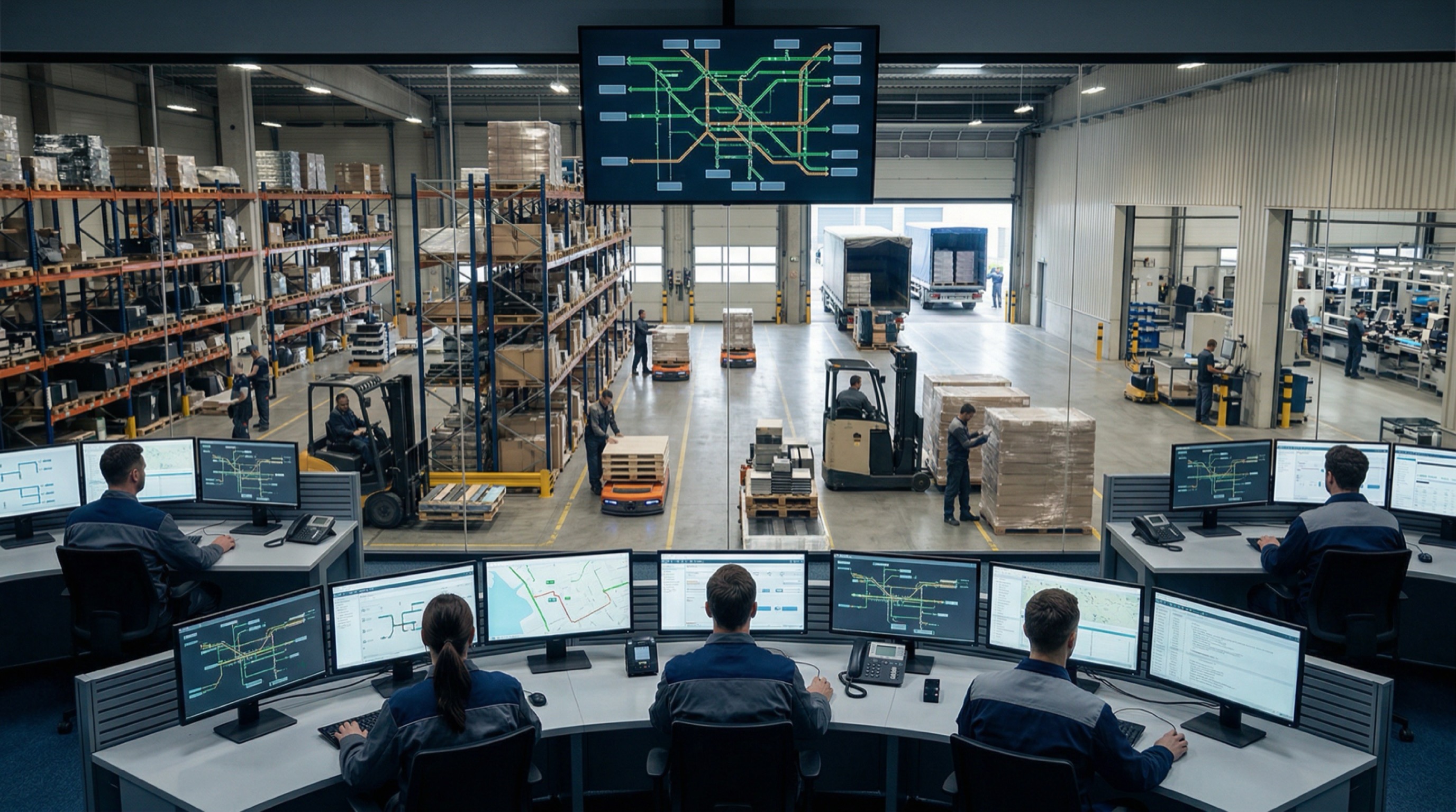
VMI warehouse and manufacturing logistics coordination
A deeper case for customers who care about supplier planning, VMI warehousing, outbound dispatch, transport visibility and WMS/TMS-linked execution.
AGV elevator integration for multi-floor transfer
A case format for projects that rely on standard elevators, queue rules, floor-level handoff logic and WCS orchestration instead of isolated AGV movement.
RFID and batch-managed flat warehouse execution
A case format for wide-floor warehouses that depend on RFID scan points, batch rules, low vehicle count planning and stable handoff into lifts or staging zones.